Lights to lighten the darkness

Street lighting on Central London’s Thames Bridges

There’s something magical about cities at night and London is no exception, particularly with the recently created Illuminated River art project lighting nine central London Thames bridges from below. However lighting of some kind for the roadways above has been in place for the safety of pedestrians and traffic almost since the bridges were first built, and a number of the more decorative designs between Tower and Putney Bridges are well worth a closer look.

Tower Bridge
The bright light blue of the lamps leading up to the central section of the bridge are part of the existing blue and white colour scheme designed for the steel hangers, suspension chains balustrades, and the bascules of the bridge itself. But there is, if you’re on the look-out for it, one rather strangely shaped lamp, in fact a chimney connected to a coal fire once used in what was a guard room below. It fell out of use after the introduction of the Clean Air Act in 1956, which prohibited the emission of “dark smoke”, so banning the use of coal, apart from smokeless fuel, from any chimney on any building.

Lamps leading up to Tower Bridge
The chimney plainly visible from above or below when you’re looking for it
The chimney rising from below, manufactured by Durham Bros.

London Bridge

Standard modern, municipal lighting the roadway

Southwark Bridge

Southwark Bridge, with its decorative lanterns clearly visible
Close-up of a decorative street lamp on Southwark Bridge

The Millennium Bridge
Nicknamed to begin with as the “Wobbly Bridge”, due to a design fault by architects Foster & Partners, now rectified, the walkway of this slender and elegant footbridge is lit from the side. Its incorporation into the Illuminated River Project saw artist Leo Villareal develop Foster’s orignal idea of a “blade of light” into pulses of light along the side of the bridge, echoing the movements of people crossing, creating silhouettes enhancing the structure like a moving picture with a constant stream of images.

Blackfriars Bridge

Blackfriars Bridge
A closer look at one of the street lamps on Blackfriars Bridge

Waterloo Bridge

Waterloo Bridge with unremarkable modern street lighting

The Golden Jubilee Footbridges
Lighting on the Golden Jubilee Footbridges, which run both sides of the Hungerford Railway Bridge, is now more intense as the already existing lights have been modified and incorporated into the Illuminated River art project.

Lighting structures on the Golden Jubilee footbridge, the upstream side of the Hungerford Railway Bridge

Westminster Bridge
Visitors to London crossing the bridge naturally focus on the Palace of Westminster, the tall Elizabeth Tower and clock, known more widely as Big Ben, though that, as you might know, is actually the sonorous bell which has marked so many national events. But stop for a moment and consider the lanterns. Created in the Tudor-Gothic style by Sir Charles Barry, to match that of the Houses of Parliament, they are strikingly elegant, subtly changing colour along with the quality of daylight. Look closely and you’ll notice a tribute to Queen Victoria and Prince Albert, a V&A in the centre as part of the design.

Westminster Bridge with its elegant Neo-Gothic lamps designed by Sir Charles Barry to match the newly rebuilt Palace of Westminster
One of the Westminster Bridge lamps contrasting with the modern structure of the London Eye
Sunlight catching the tinted glass of a lantern on Westminster Bridge

Lambeth Bridge
1932 saw the opening of Lambeth Bridge by George V and Queen Mary, and the style of its street lighting reflects the Art Deco fashion of the day.

Lambeth Bridge just after sunset as its Illuminated River lighting begins to come into its own below
The two types of lamps on Lambeth Bridge: double lamps on granite pillars placed above the piers, separated along the bridge by single lamps on steel latticework stands

Chelsea Bridge

Chelsea Bridge
The two pairs of light bearing pillars on Chelsea Bridge are decorated on each side, this one with a golden galleon and the old London County Council coat of arms, the wavy lines on the lower part of the shield represent the Thames

Albert Bridge
The Victorian lamps light up the roadway at night, and the whole bridge is illuminated by thousands of LED bulbs, delighting all those who walk, drive, or sail past.

Albert Bridge linking Chelsea to Battersea
Albert Bridge with its original toll booths and row of street lamps

Battersea Bridge
In 1992, English Heritage approved the restoration of the bridge to its original appearance. Removed during WW2 the lamps had been replaced with replicas, and exterior lighting experts DW Windsor undertook the refurbishment of the lanterns and columns “which were broken and had been damaged from years of use.”

Battersea Bridge

Putney Bridge
Taken by Wal Daly-Smith on his way under Putney Bridge, this photo shows a fleeting glimpse of two of the fine lamps that light the roadway above. These ornate, Victorian cast-iron lamp posts and lanterns have been carefully looked after by Wandsworth Borough Council and restored by specialists J.W. Lighting.

Putney Bridge ©Wal Daly-Smith
One of the Putney Bridge Lanterns restored by J.W. Lighting

Of course there is attractive lighting on Thames Bridges further upstream such that as on Hammersmith, Kew, and Richmond Bridges but hopefully that will be for another time…

Further information
Bridge House Estates: City Bridge Trust
See The Historic England Blog
Visit Know your London
Look at The Londonist
Clic here for Port of London Authority article on central London bridges

With the birds…

…in Victoria Tower Gardens and over the Thames

Unlike many patient photographers, huddled in huts at unsocial hours waiting for a rare visitor to frame in a perfect shot, my encounters with birds are mostly completely random. They’ve been mainly in and around Victoria Tower Gardens, where crows rule and seem to coexist with the gulls, pigeons, ducks and parakeets. I have, over time, as well as the birds photographed below, seen coal tits, blue tits, blackbirds, and the strewn evidence of hawk activity but as yet have been unable to film them in any detail. Here below are pictures of the birds that I have been able to observe in this much-loved, pocket-handkerchief, Thames-side park, so join me for a few moments of escape into the natural world.

Crows
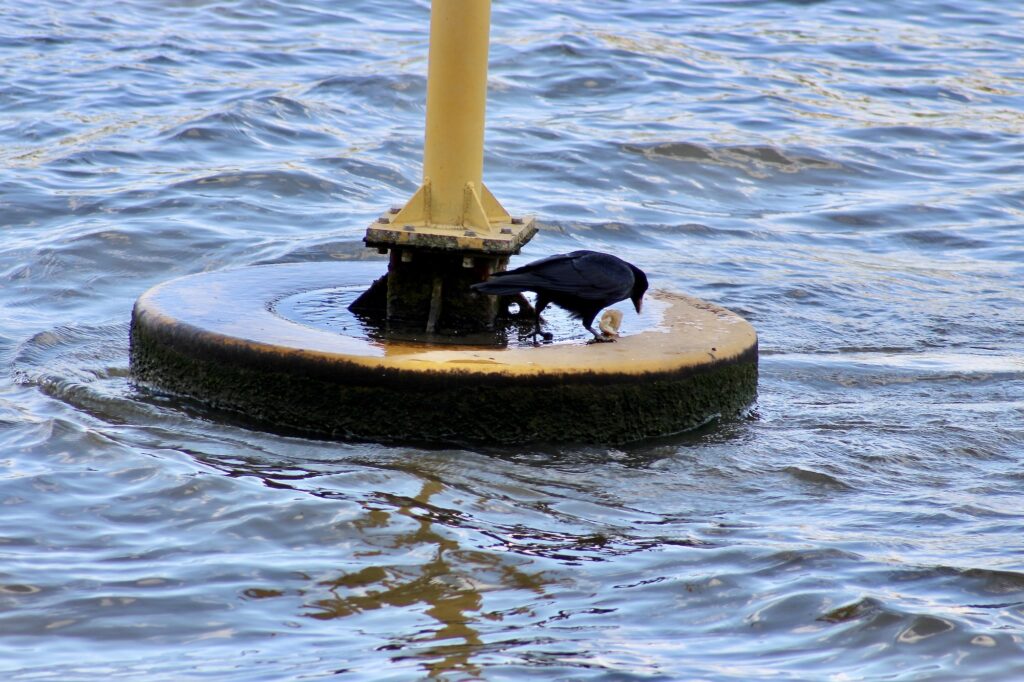
Noisy, busy and entertaining to watch, the crows feed on the lawn, from proffered or left picnic morsels, and on the Victoria Tower Gardens’ foreshore where they find an abundance of small shellfish and other creatures.

Crow collecting twigs for a nest
Part of the crow courtship ritual
Crow with tasty snack
Crow looking quizzically, or impatiently

Cormorants
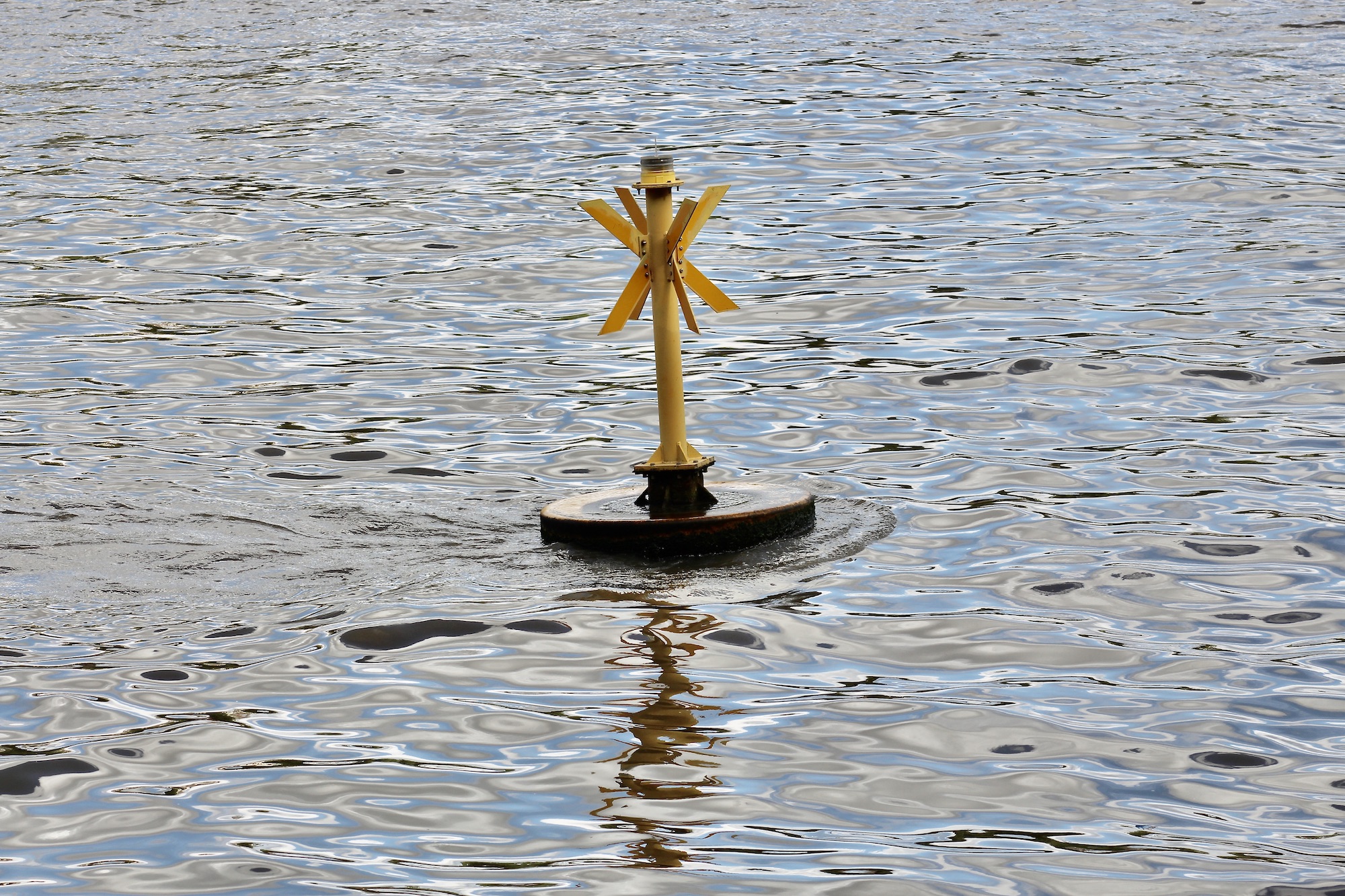
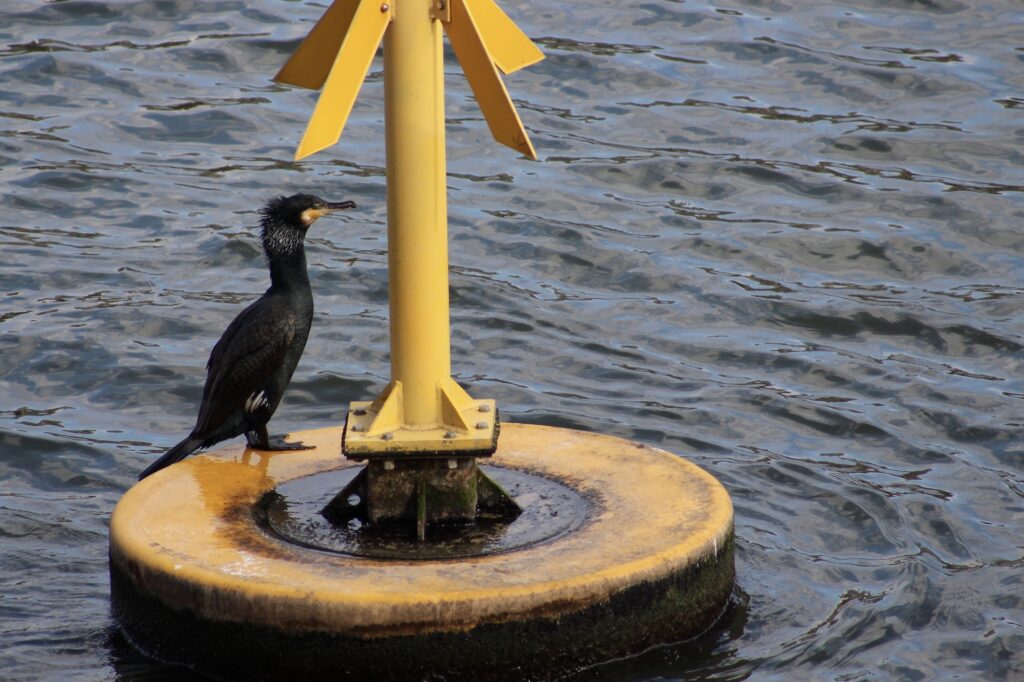
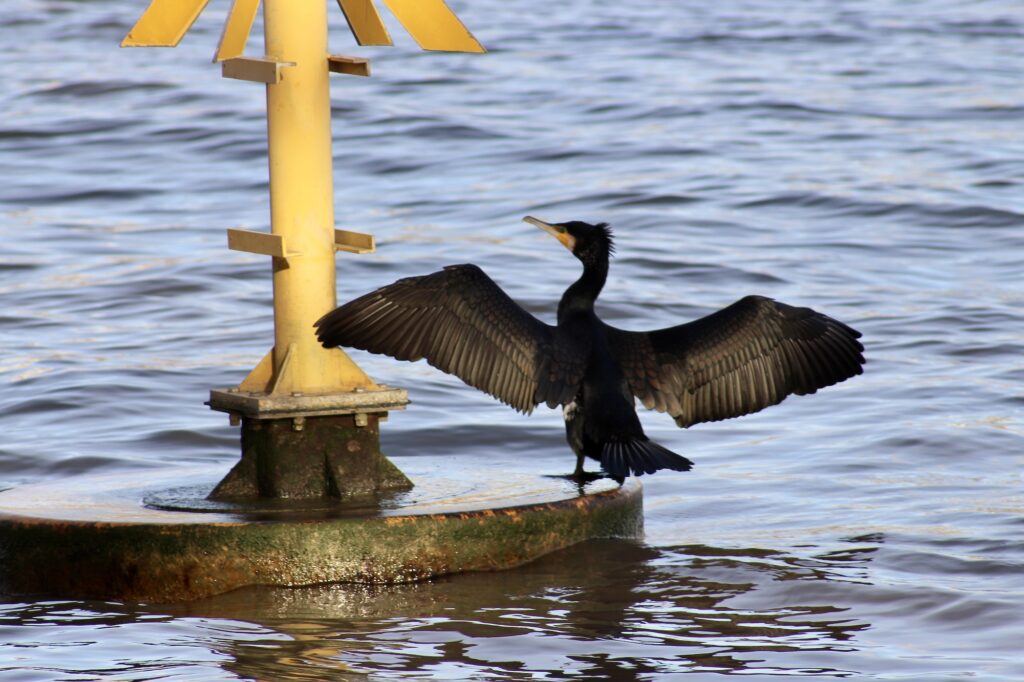
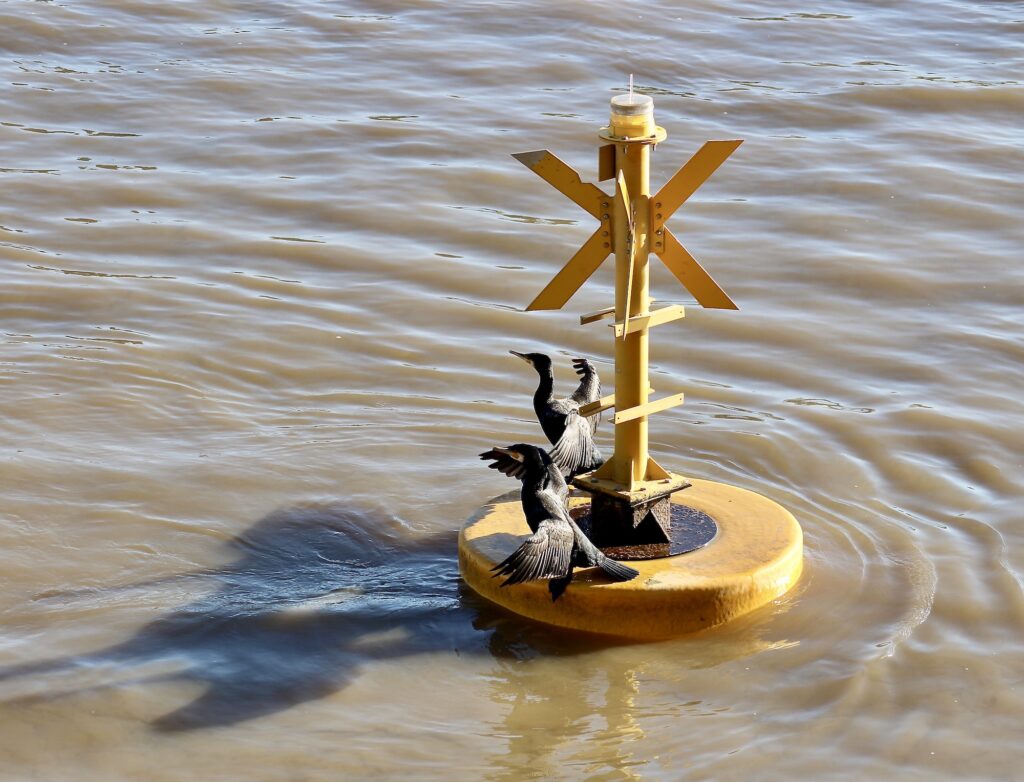
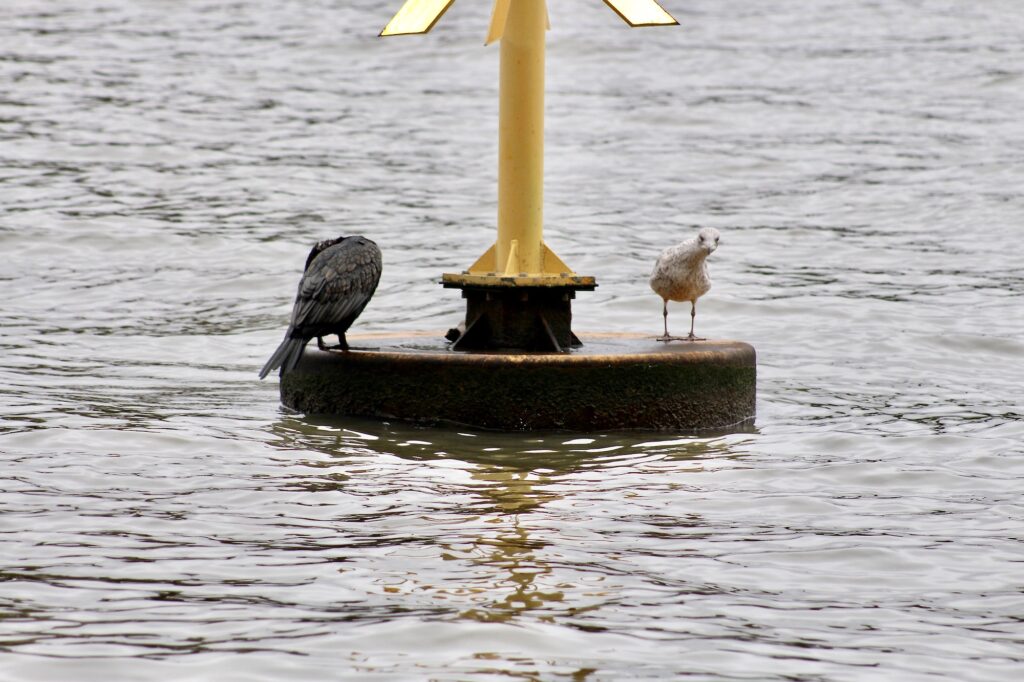
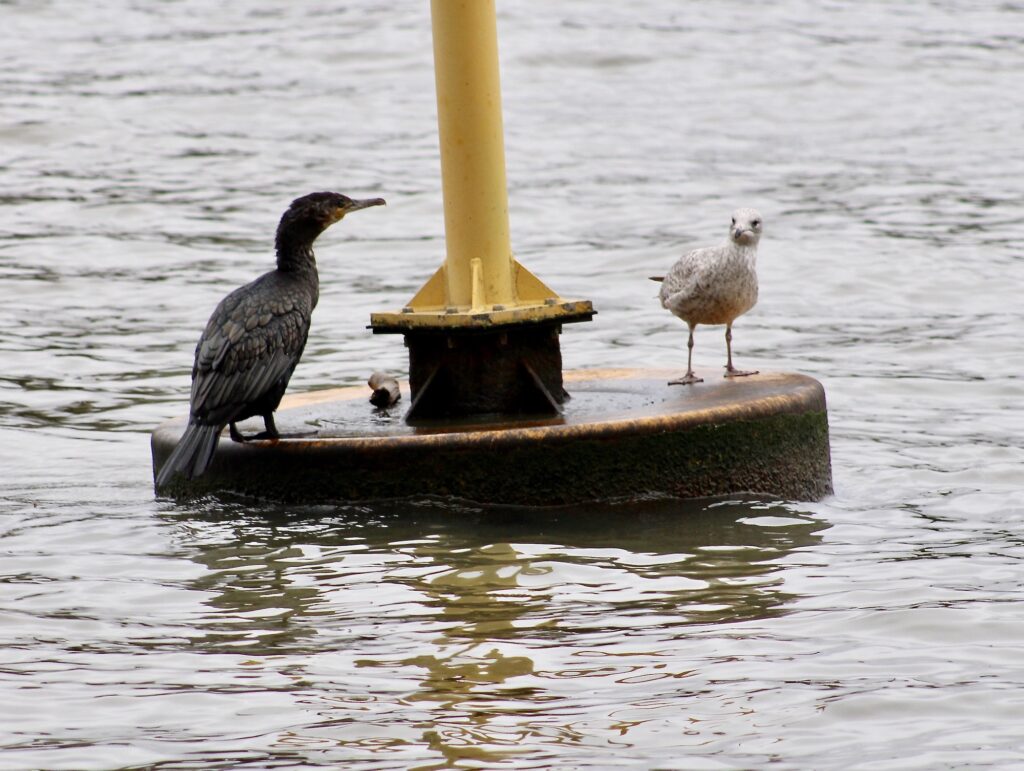
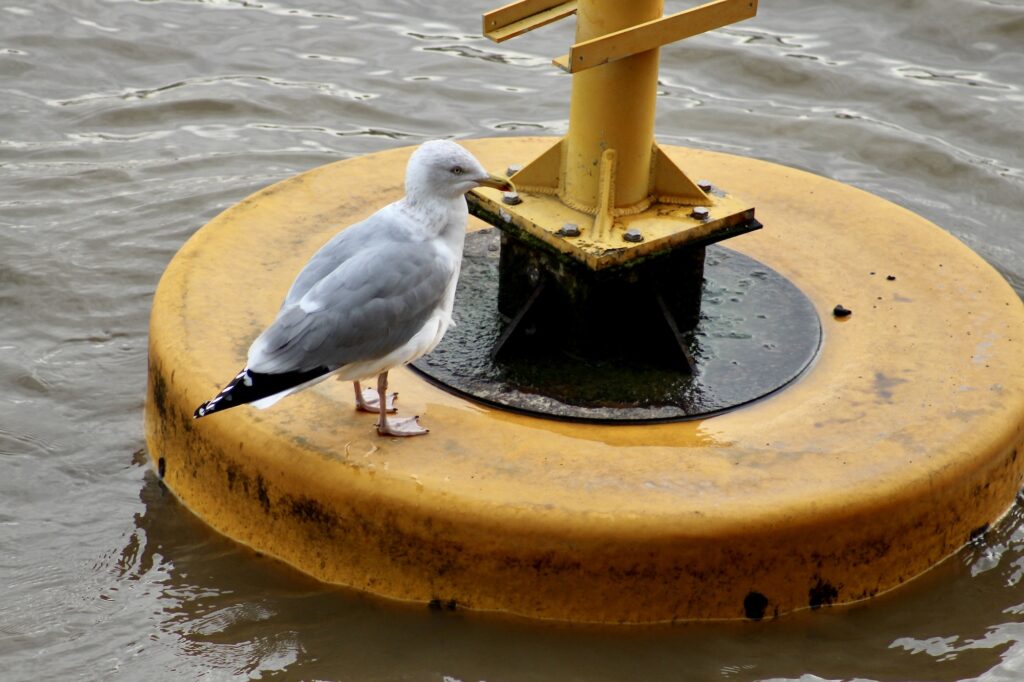
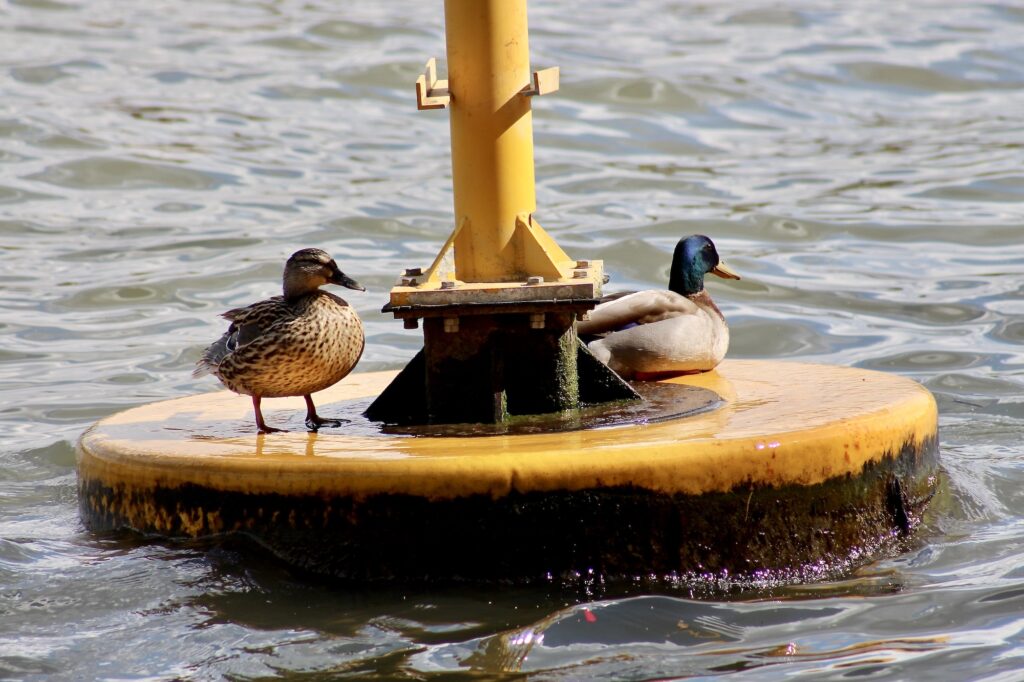
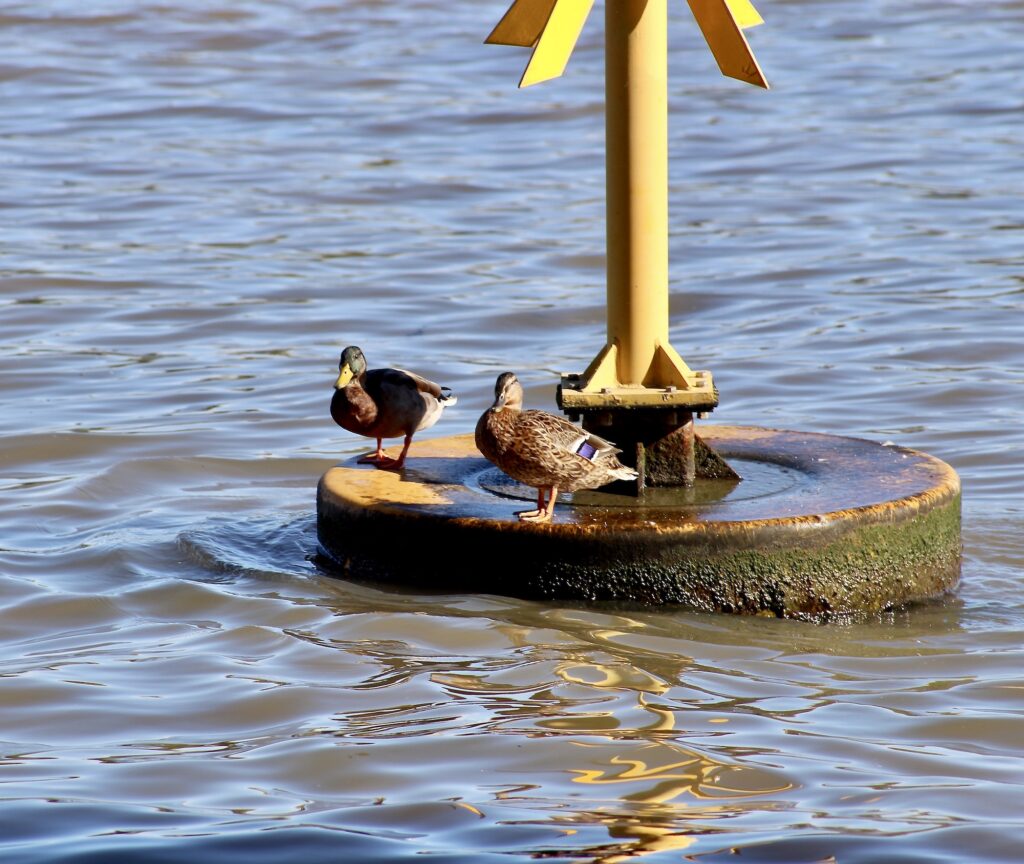
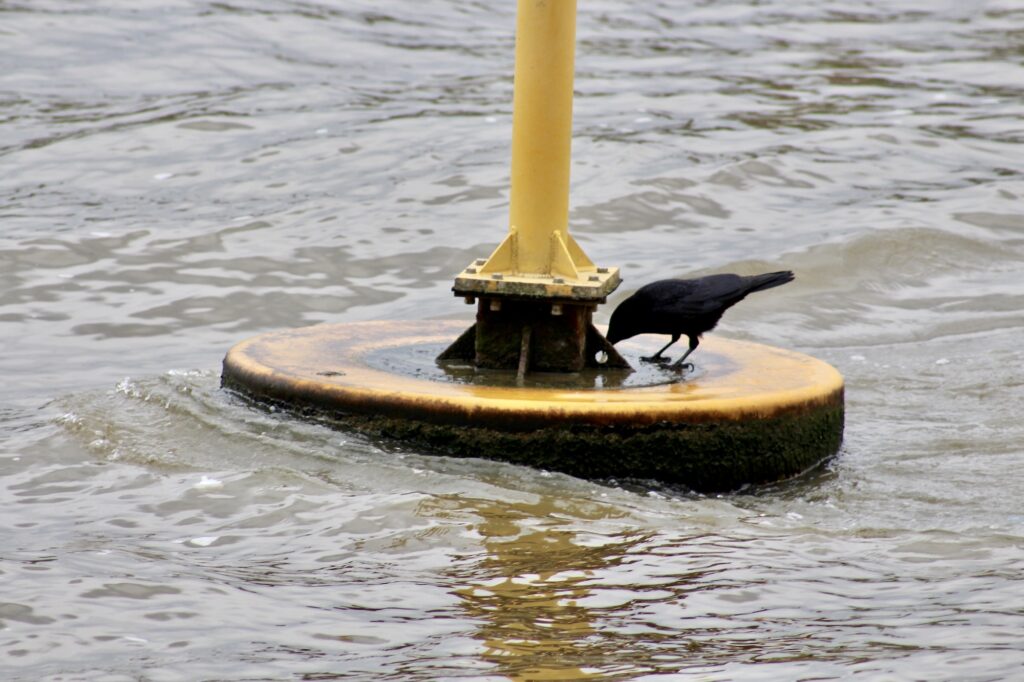
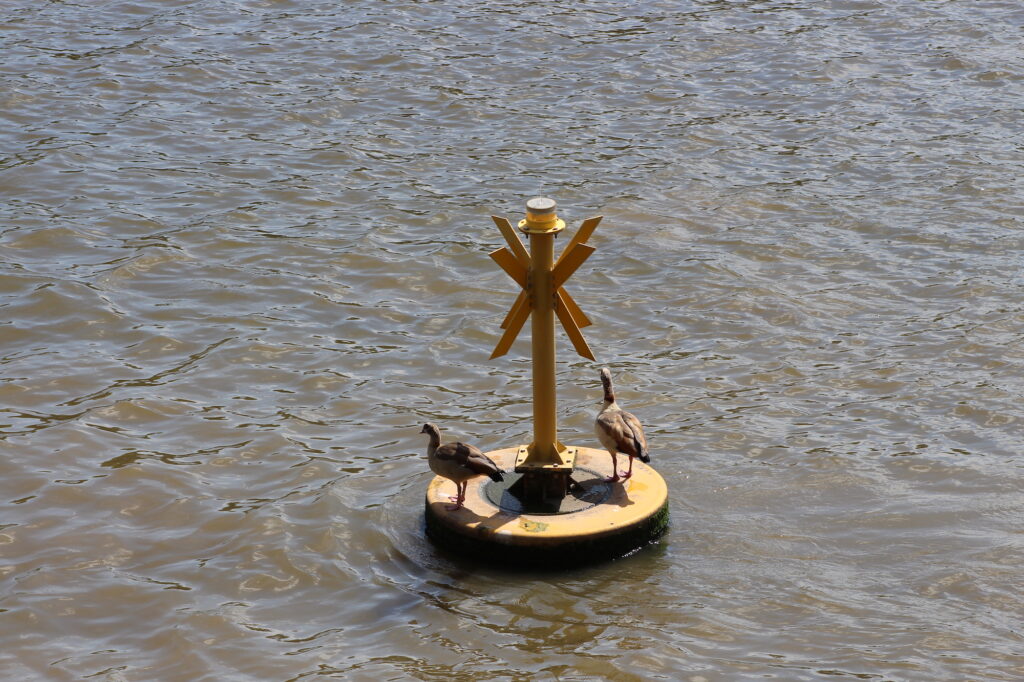
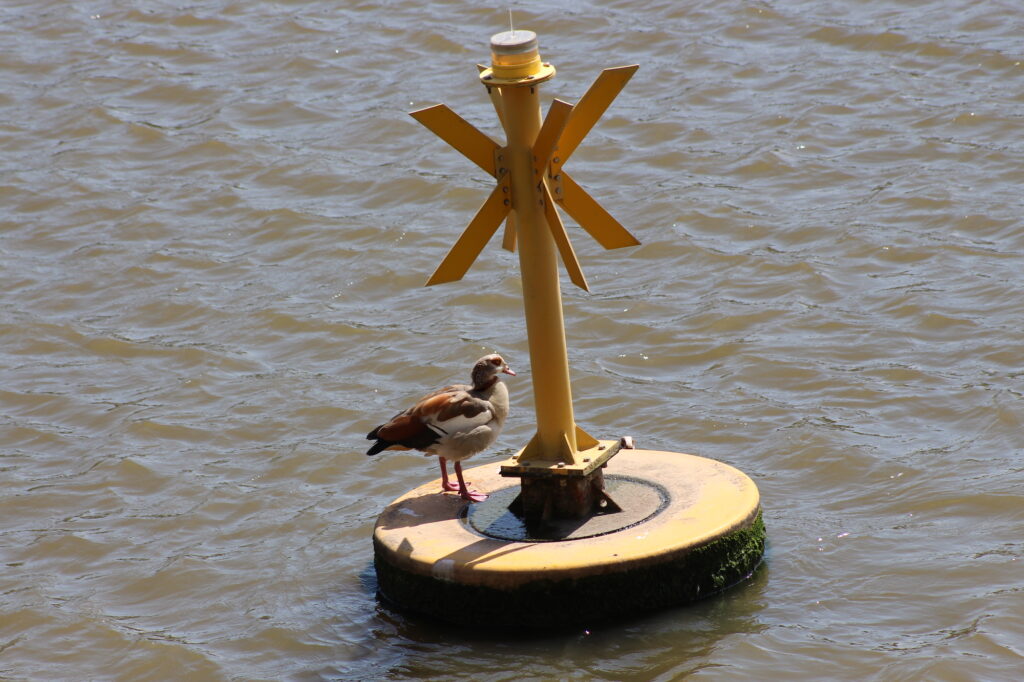
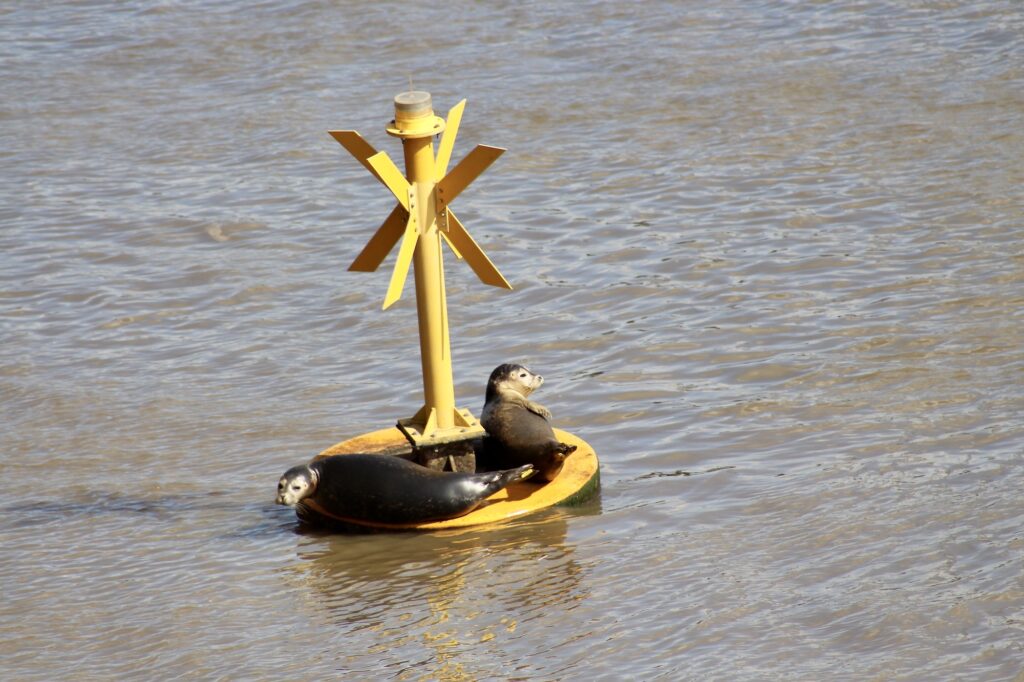
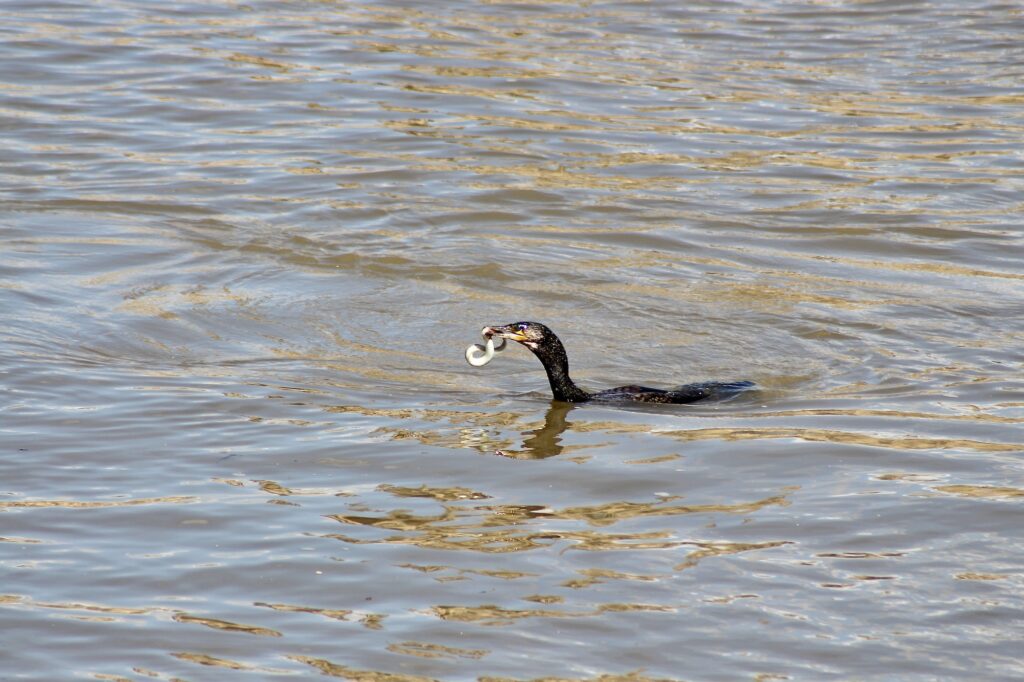
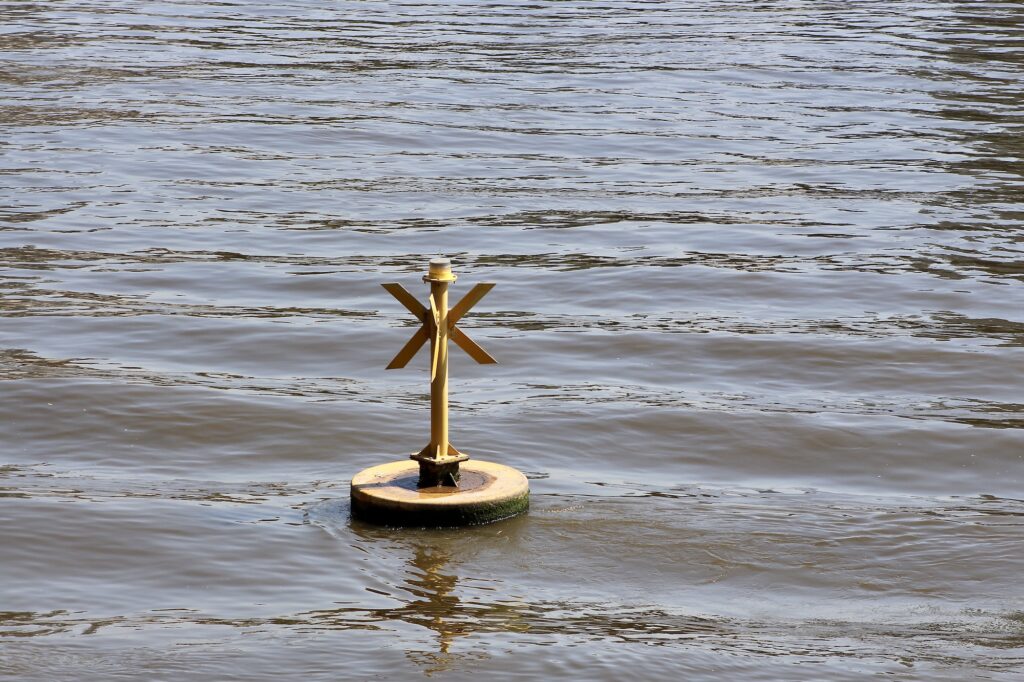
There seems to have been an increase in the number of cormorants along Lambeth Reach in recent years. They often choose to rest on one of the Palace of Westminster markers floating on the river. I’ve seen them further upstream along non-tidal stretches of the Thames, such as at Pangbourne the other day, where their prodigious talent for fishing rivals that of local anglers, and so they are not always welcomed.

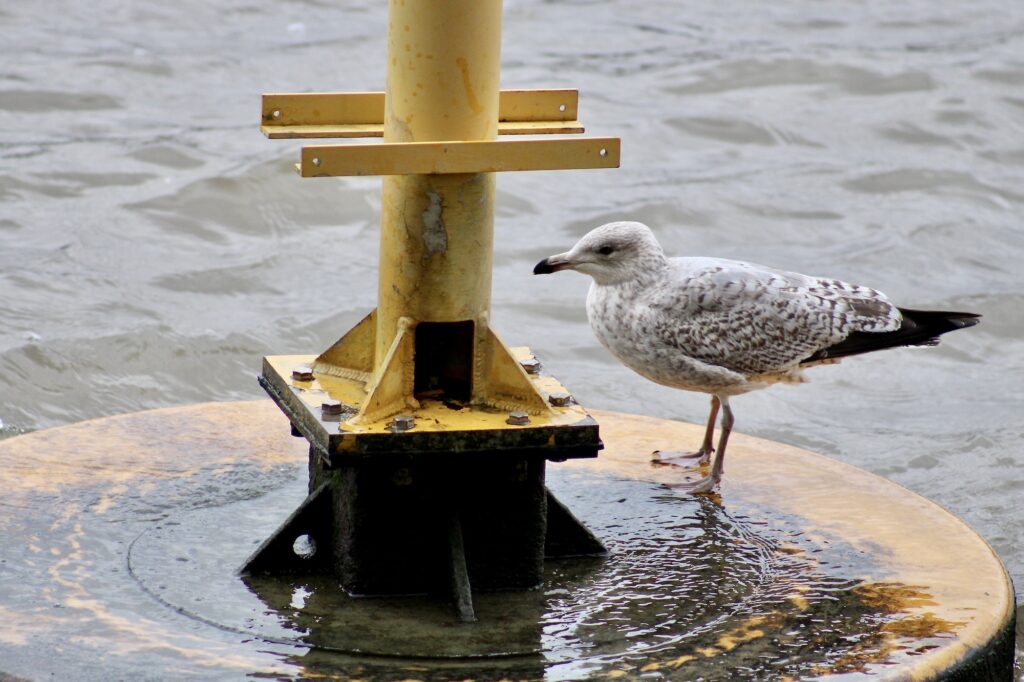
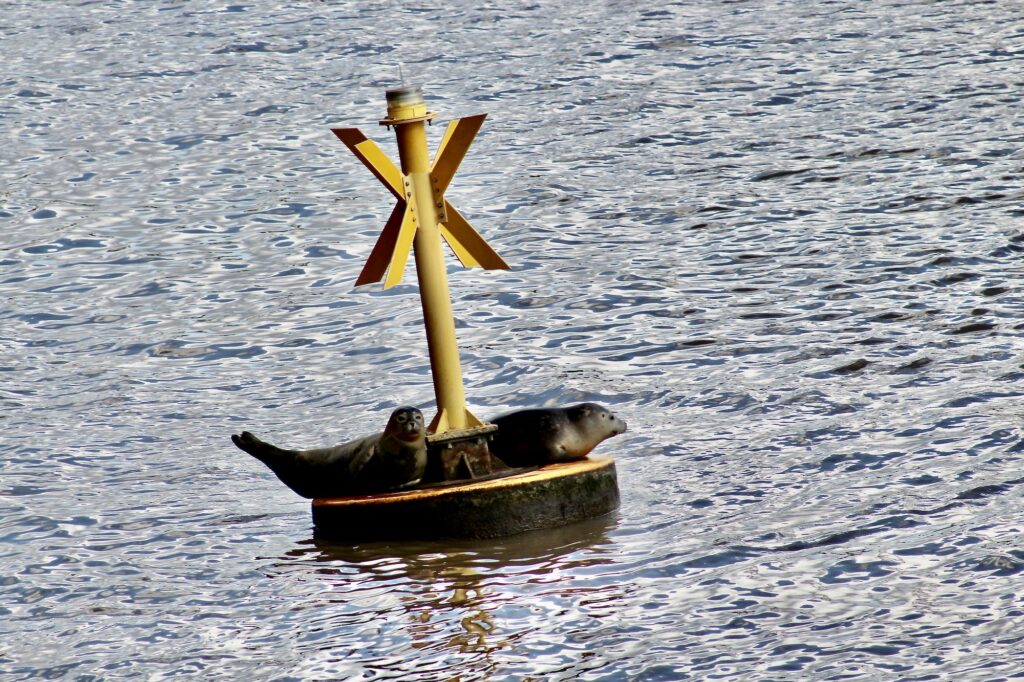
A Palace of Westminster marker, a favourite resting place for cormorants
Cormorant stretching its wings out to dry

Geese
Despite the fast flowing tidal currents along this stretch of the Thames, geese often make an appearance, sometimes with their goslings. Egyptian geese seem particularly fearless, finding food on the grass in the park and along the foreshore, or taking up positions on the embankment wall.

Egyptian goose perching on the Victoria Tower Gardens’ embankment wall
A pair of greylag geese, their feet visible through the clear, momentarily undisturbed water along the foreshore
A pair of Canada geese with three goslings finding food on the foreshore

Swans
Much rarer here than geese are swans, occasionally passing by, either afloat or in flight.

A pair of swans heading downstream
A pair of swans flying upstream past Lambeth Palace

Ducks
There are always a few ducks on this stretch of the Thames. The Mallards live around here permanently and can often be seen dozing on the Lambeth Bridge Piers, or on the embankment wall.

Resting but ever watchful: two Mallard ducks on a wall by Lambeth Bridge
This Tufted duck was a rare visitor
And even rarer, a pair of Gadwell swam past one day: the drake on the left, the hen on the right

Gulls
Notoriously difficult to tell some from others, I’ve come across three distinctive types of gull: the lesser black-backed gulls, herring gulls and black-headed gulls, the latter winter here, adding extra life to the park and its foreshore.

Lesser black-backed gull on the remains of a structure on the Victoria Tower Gardens’ foreshore
Herring gull with a shellfish of some sort
A pitying, or pleading look from a friendly herring gull, nicknamed Bonzo
Immature gull holding a yew twig
One of our winter visitors: an elegant black-headed gull in flight, its winter plumage just a faint mark behind the eyes
Black-headed gull with its changing plumage almost complete, ready for the breeding season

And others…
…including magpies, parakeets, wood pigeons, London pigeons, and robins.

A magpie perched as if part of the decor, on the Buxton Memorial in Victoria Tower Gardens
Green, ring-necked parakeet looking out over the Thames from a nest in one of Victoria Tower Gardens’ plane trees
Fluffed up wood pigeon on the lush, green lawn of Victoria Tower Gardens
A typical London pigeon, always ready to clean up picnic crusts and crumbs, unless the crows get there first
A robin in challenging mode, one of at least two with territories in Victoria Tower Gardens at the moment
Robin perched at one of the entrances overseeing Victoria Tower Gardens. The emblem below its perch is the logo of the Royal Parks

Now the fate of Victoria Tower Gardens as a public park hangs in the balance as it is the subject of an Appeal against a decision to build over, and dig deep below, a large portion of the space, which apart from other downsides, risks damage to the mature plane trees and wildlife, especially birds. Let us hope the the Appeal succeeds…

Further information
To see a greater variety of birds, you can go to London’s beautifully maintained haven of peace St. James’s Park just half a mile away.
Familiar London Birds
Explore The London Wildlife Trust
The Royal Society for the Protection of Birds: RSPB
Photo Essay on Herring Gull Plumage
Save Victoria Tower Gardens Appeal
Thanks to garden designer Louise Venter for advice on robins. You can follow her on Twitter @Louise_Venter
Thanks to Master Thatcher Chris Dodson Follow him on Twitter @c_dodson_thatch
Thanks to Ian Young Follow him on Twitter @ianyoung33
Thanks to Kabir Kaul Follow him on Twitter @Kaulofthewilduk